
From our previous Blog "Liquid Secretions to Beeswax" we have learned Beeswax, the natural byproduct of honey bee, has been a staple in human civilization for centuries. Early cultures recognized its unique properties, commissioning beeswax for various practical purposes. Humans have been harvesting beeswax for centuries benefiting from food, medicinal care & healing, religious practice & beliefs, cosmetics, soaps, creams & balms, preserving food, tools & fixtures, monetary & trade commissions. Rendered into the form of candles Beeswax gives us light and cleanses the air. The scent of beeswax is therapeutic, soothing relaxing the anxious mind and body. Each of these uses highlights the versatility and enduring nature of beeswax. Its unique properties continue to make it a valuable resource through historical, traditional and modern applications.
Honey and Pollen play a significant part in the newly emerged Honey Bee. The young Honey Bee must consume large quantities of pollen to develop the fat cells to metabolize honey so then they can begin producing wax scales. To get one gram of beeswax the honey bees must produce 1100 wax scales; Around eight kilograms of honey are consumed to produce every one kilogram of wax.
Types of Beeswax Honey Comb:
New Comb- This is the first wax produced to begin hive building. The typical white wax color is influenced by the biological composition and honey from the honey bee. New wax is the beginning phase to house new brood (larvae), store honey, pollen and bee bread. Some New Comb will have Travel Stain on top of the hexagon shaped cell. Travel Stain is the result of the Honey Bee “traveling” over the top of the new comb trailing pollen or nectar stains.
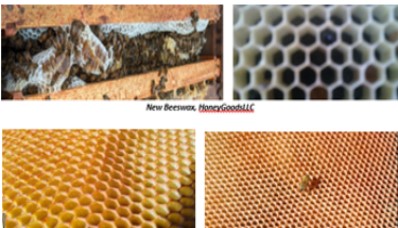
Honey Comb / Comb Capping- is lighter in color. It is the first-year beeswax produced by Honey Bees. The capping wax is thin pliable beeswax that covers the honey cells. Comb Capping wax is typically yellow-whiteish in color that is influenced from small amounts of honey when chewed by the honey bee.
Burr Comb- wax is miscellaneous wax that are found in odd places throughout the hive; Queen Excluder, Inner Cover, Beehive Cover, along the edges of frames and hive body box. The bees may store honey in burr comb. Burr comb is used to fill in gaps of the hive to seal and prevent wind & moisture from entering in the hive.
How to render Honey Comb to Beeswax:
First step: Gathering equipment to render wax; separating beeswax types
*-roasting pan with a wire rack; (I used hardware cloth and formed to the roasting pan dimensions.)
*-paper towels
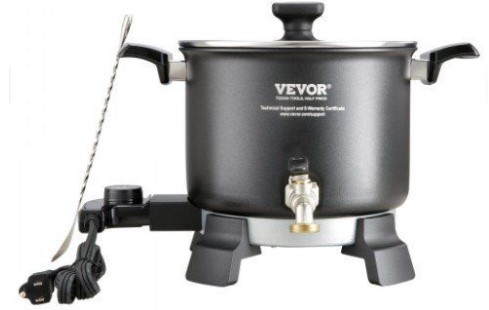
*-Wax Melting Pot(for the final beeswax product)
Selecting Beeswax types for rendering:
New Comb / Comb capping / Burr Comb- All three types of these beeswax can be rendered together. Before rendering in step two, offer the beeswax back to the Honey Bees. They will clean the wax thoroughly taking the excess honey and some of the beeswax back to their colony to repurpose. After the first rendering process honey water can be feed back to the bees in a water trough to support the bees during dearth. (**Do Not Disturb new comb frames in the brood boxes with occupied brood).
As a beekeeper, my method is to give back the harvested bees wax to the honey bee. The Honey Bees will clean any residual honey from the bees wax as well as chew some of the beeswax to take back to rebuild the hive. The bees wax left behind is dry and ready to render in a pot or slow cooker dedicated for honey rendering process.
Old Brood Comb/ Slum-gum- Third generation+ Brood Comb is dark with thick hexagon walls. The result of being used over and over again to rear brood. The majority of the brood comb material is debris from overuse and brood & mite defecation. In general, Beekeepers will clean out old darkened brood comb as IPM practice to avoid potential viral infections that could be lurking in the old comb. There will be some beeswax from the initial honey comb build. Due to the nature of Brood Comb the rendering process is repeated over and over again until most of the organic material is free and clear of the beeswax and the water runs clear. The water and organic material collected can be repurposed into mulch or your garden area. It is not recommended to provide the water or organic material back to the Honey Bees.
Second step:
Ensure all of the equipment and tools used for the rendering process is dedicated to this activity. I have purchased all of my used equipment from 2nd hand stores.
Add generous amount of water to cover the harvested beeswax together in a metal or ceramic pot. Allow the water to boil so the wax and debris can separate. Remember Beeswax is highly flammable with a flash point of 140d. I allow the mixture of water and beeswax to boil for two or three hours. Let the wax and water cool to allow for the beeswax to solidify, separating from the water and residue.
The rendering process will take a few hours contingent on the amount of wax in the pot. The activity will attract honey bees, pollinators, predatory pests. Be sure you are in a location that is not well traversed. Offer the honey water back to the honey bees in their water trough system you have created from them. The process may need to be repeated until there is evidence of clean yellow honey comb and clear water.
Third step:
This is the final stage to separate the rendered wax from remaining debris. Set the oven to lowest possible temperature. Line the wire rack on top of the roasting pan with one layer of paper towels. The oven will warm the bees wax, melting thru the paper towels leaving the last of the debris on top of the paper towel. When all of the beeswax has melted through paper towels separating from the debris pour the melted wax into your Wax Melter.
But wait there is more…. Do not throw away that paper towel that has now hardened into beeswax-debris ridden material. This is the best fire starter you could use for you wood stove or outside fire pit.
Modern day Beeswax Benefits and Uses
Beeswax has many contributions for a healthier natural lifestyle. The combed honey is an enjoyable sweet treat to consume benefiting from Vitamin A and Vitamin B properties. Beeswax is reusable and renewable resource. It can be reheated and repurposed many times over. Properties include: Anti-Allergenic, Anti-Inflammatory, Anti-Bacterial, Anti-Viral, Protective, Regenerative, Strengthening.
***Cautionary note: Before using beeswax as a skin care or healing ointment test the skin first by placing a small amount on the skin and observe the reaction.
Health and Food: Beeswax has been used throughout history in preserving food. It acts as a natural, non-toxic alternative to preserve cheese and other food items, keeping them protected from air and moisture. Preserving foods using beeswax wraps to cover and cap food & cheese. Melting bees wax to seal pots and jars
Medicinal Care & Healing: In traditional medicine, beeswax is renowned for its healing properties. It's often used in salves and ointments for skin conditions due to its natural ability to create a protective barrier on the skin, aiding in the retention of moisture and promoting healing. There is evidence of beeswax used as an ancient dental practice for soothing, repairing teeth.
Cosmetics, Soaps, Creams & Balms: Beeswax is an essential ingredient in a multitude of cosmetic and skincare products. Its natural viscosity and ability to lock in moisture make it a favorite for lip balms, hand creams, and lotions. Beeswax contains humectant and Vitamin A properties that can plump the skin and add extra protection to heal and moisturize skin ailments. Unlike synthetic alternatives, beeswax is non-toxic and safe for sensitive skin, providing a natural glow and suppleness to the skin.
Candles and Air Purification: Beeswax candles are not only valued for their light but also for their air-purifying qualities. When burned, beeswax candles release negative ions, which help to neutralize pollutants in the air. The practice of burning beeswax candles has historic roots in religious and communal ceremonies for their comforting and purifying effects.
Tools and Fixtures: Traditionally, beeswax has been used to lubricate and protect a variety of tools, from ensuring smooth functions to preserving the handles and blades. As furniture polish Beeswax natural use on wood to seal and protect & increase the longevity of the wood surface.
Conclusion:
It’s incredible how something so simple and natural can have such a broad range of applications—everything from ancient embalming techniques to modern skincare products and eco-friendly candles.
The teamwork involved, and the intricate steps, producing Bees Wax Honey Comb really show how each bee has a specific role that supports the whole colony’s survival. It’s also interesting to think about how much energy and resources are required to create beeswax, especially when you consider that the bees need to gather nectar, turn it into honey, and then use that energy to produce the wax. This connection between nectar, honey, and wax production emphasizes just how critical a healthy ecosystem is for the colony's well-being.
The bees, as vital pollinators, play a crucial role in maintaining biodiversity and the overall health of ecosystems. Supporting them isn’t just about preserving an ancient resource, but also protecting the delicate balance of our environment. The more we understand how interconnected we are with these small creatures, the more we realize how essential they are for everything from food production to natural materials like beeswax.
Today, beeswax still holds economic importance, especially in niche markets like natural cosmetics, organic candles, and sustainable materials, where its demand remains high due to its non-toxic, eco-friendly properties. In a world that increasingly values sustainability, beeswax’s rarity and natural qualities are becoming even more appealing, and its role in industries like skincare and eco-conscious manufacturing can be seen as a direct extension of its historical value.
In a world increasingly focused on sustainability, finding ways to protect pollinators—through conscious agricultural practices, habitat preservation, and reducing the use of harmful chemicals—feels like one of the most important steps we can take. What do you think are some of the most effective ways we could help protect bee populations moving forward?
Do you think this enduring value of beeswax will continue to grow, especially as people become more focused on natural and sustainable products?
Honey Goods LLC has many forms of beeswax harvested from our own apiary, rendered personally by hand and processed in to candles or molds. You can find a great beeswax selection at the following product page https://www.honeygoodsllc.com/beeswax
