Honey Bee Pollinator - 5 Seed Packs
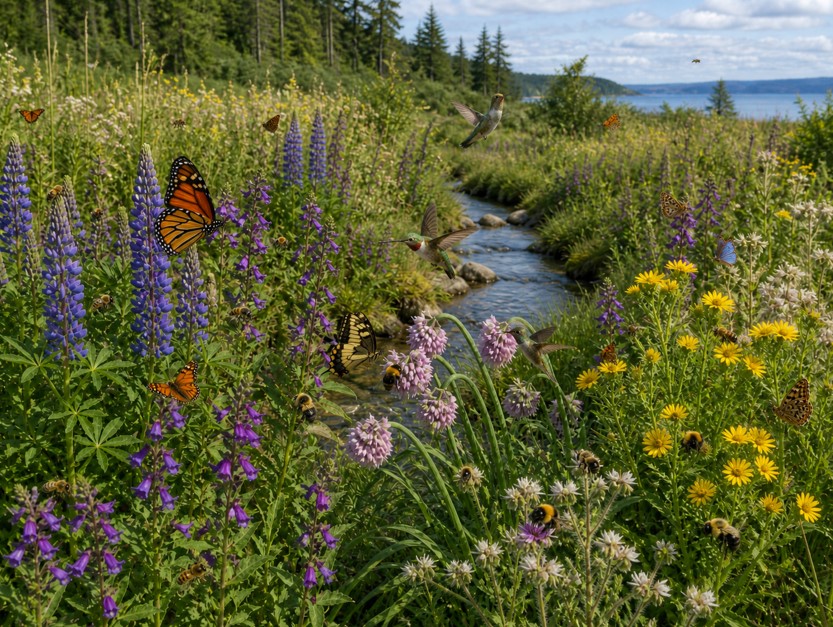
Honey Bee Pollinator 5 Seed Packs contain Nodding Onion, Puget Sound Gumweed, Bigleaf Lupine, Coast Penstemon & Varileaf Phacelia. These five species create a beautiful succession bloom garden, offering forage from spring through fall. For an apiary or educational garden, they make a living buffet for your bees and a pretty fierce brand story.
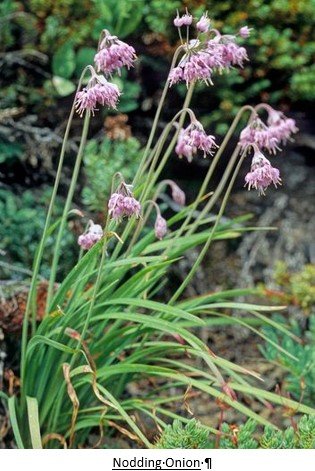
Nodding Onion: 25 seeds. A graceful native perennial with arching stems and clusters of soft pink to lavender bell-shaped flowers that gently nod in the summer breeze. Its slender blue-green foliage adds texture to native borders, meadow gardens, and rock gardens. Produces nectar and pollen during mid to late summer when forage can become limited. Highly attractive to native bees, honey bees, butterflies, and beneficial wasps. Its onion-family blooms provide diverse forage for smaller native pollinators
Best Time to Plant in the PNW: Fall or early spring. Seed Depth: Surface sow or lightly cover (⅛ inch) Stratification: Cold stratify 30 to 60 days for best germination Sun: Full sun to partial shade Soil: Well-drained, sandy to loamy soils
Water: Moderate until established, drought tolerant afterward Spacing: 8 to 12 inches apart
.
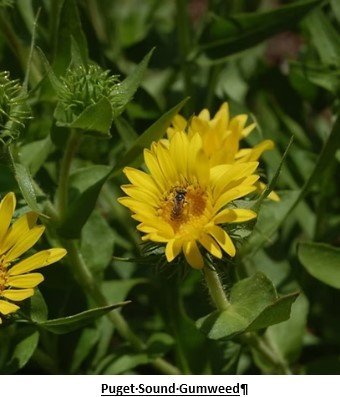
Puget Sound Gumweed: 100 seeds. A bold Pacific Northwest native perennial with bright golden-yellow daisy-like flowers and glossy resin-coated buds. Naturally found in coastal meadows, prairies, and wetlands, it’s both rugged and eye-catching. Late-season blooms provide critical nectar and pollen when many summer flowers fade. Supports honey bees, native bumble bees, butterflies, and beneficial predatory insects. Excellent bridge forage during late summer and early fall forage gaps
Best Time to Plant in the PNW: Fall for natural winter stratification Seed Depth: Surface sow or press gently into soil. Stratification: Cold moist stratification 30 to 45 days improves germination. Sun: Full sun to partial shade. Soil: Moist, well-drained soils, adaptable once established. Water: Regular moisture during establishment. Spacing: 18 to 24 inches apart
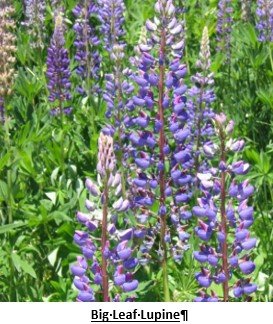
Bigleaf Lupine: 10 seeds. A dramatic native perennial with tall spikes of blue, violet, or purple pea-like flowers rising above lush palmate foliage. A meadow showstopper and a true pollinator magnet. Rich nectar source for bumble bees, honey bees, and long-tongued native bees. Nitrogen-fixing roots improve soil health for surrounding plants. Early summer bloom helps support expanding pollinator populations.
Best Time to Plant in the PNW: Fall or early spring. Seed Prep: Scarify seed coat lightly and soak 12 to 24 hours before planting. Seed Depth: ¼ inc. Sun: Full sun to light shade. Soil: Well-drained soils, tolerates poorer soils. Water: Moderate until established. Spacing: 18 to 24 inches apart
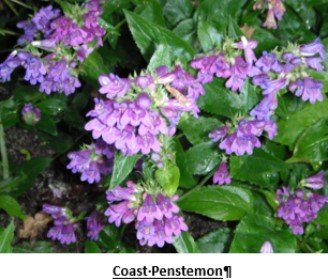
Coast Penstemon: 100 seeds. A striking native perennial with glossy foliage and tubular blue-purple blooms. Naturally found near streams, moist woodlands, and coastal landscapes. Tubular flowers are highly attractive to native bees, hummingbirds, and butterflies. Extended bloom season provides consistent nectar access. Excellent species for diversified pollinator habitat gardens.
Best Time to Plant in the PNW: Fall or early spring. Seed Depth: Surface sow or lightly press into soil. Stratification: Cold stratify 30 to 60 days. Sun: Full sun to partial shade. Soil: Moist, well-drained soils. Water: Consistent moisture during establishment. Spacing: 12 to 18 inches apart
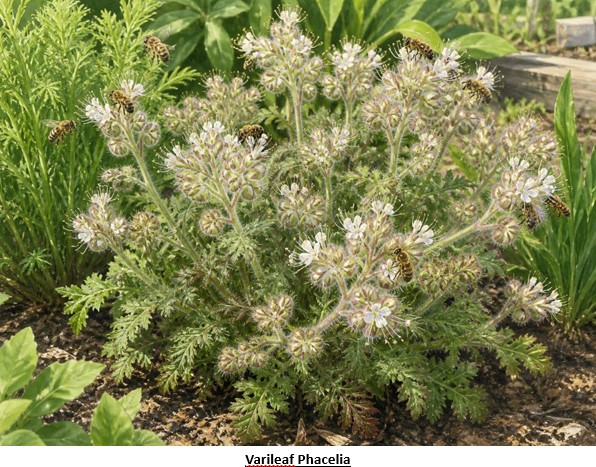
Varileaf Phacelia: 50 seeds. An airy native wildflower with delicate cream to pale lavender blooms arranged along curling stems. Its fine texture adds movement and softness to native gardens and meadow plantings. Exceptional nectar producer for honey bees and native solitary bees. Attracts butterflies, hoverflies, and beneficial predatory insects. One of the strongest pollinator support plants for habitat restoration and apiary landscapes.
Best Time to Plant in the PNW: Fall or early spring. Seed Depth: Surface sow or cover very lightly. Stratification: Optional, but improves germination. Sun: Full sun. Soil: Well-drained, sandy or rocky soils. Water: Low to moderate once established. Spacing: 10 to 16 inches apart
These Five hardy native PNW pollinator plants are sure to attract all pollinators such as Honey Bees, Bumblebees, Butterflies, wild Bees, Hummingbirds, and other beneficial pollinators while adding vibrant seasonal color to the landscape.
Once the seeds are sown and plants are established, they offer beautiful combination of ornamental appeal and habitat value, making it an excellent choice for gardeners seeking both performance and purpose in the landscape.
Each seed packet is sealed and labeled with sowing tips, light and moisture requirements, seed source, and other information.
Go to Native Seeds PNW or order seeds here at checkout
